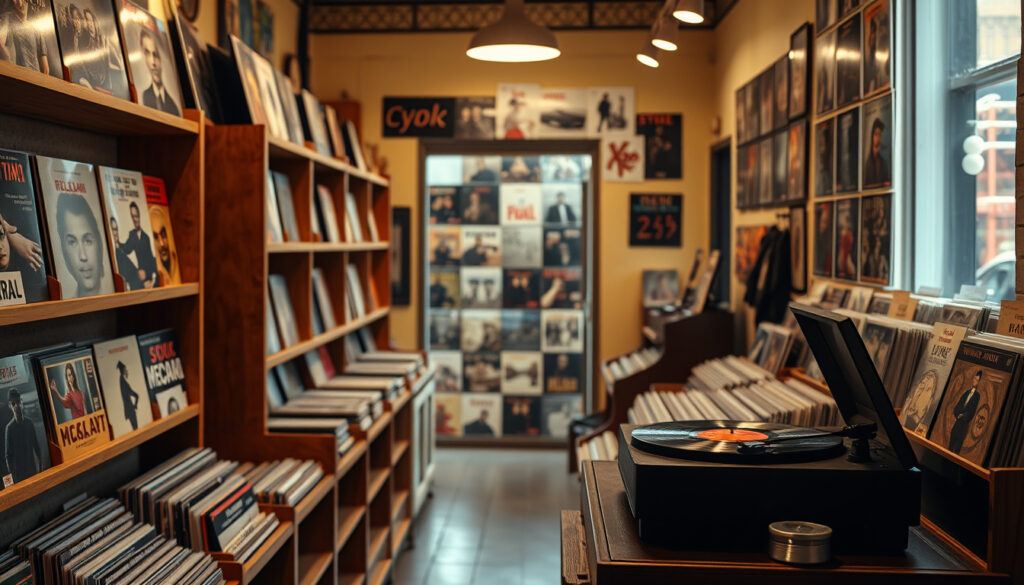
Record Stores Near Me: Find Them, Know Their Value in 2025
There’s something about flipping through crates of vinyl that no streaming playlist can replicate. If you’ve been searching for record stores near me, you’re not alone—Gen Z buyers have turned the hunt for affordable records into a cultural moment. This guide will help you find local shops, understand what your collection is worth, and decide whether to sell or keep.
Vinyl records sold in the US (2023): 49.6 million · Record stores in the US: Approximately 1,200 · Gen Z share of vinyl buyers: Over 40%
Quick snapshot
- Rarity and condition matter most (ValueYourMusic auction archive)
- Popular genres like classic rock and jazz hold value (Record Scanner price guide)
- Check Discogs for market prices (Discogs marketplace)
- Use Google Maps and Yelp for local results (Texas Heritage for Living Magazine)
- Look for shops with large used sections like Record Town (Record Town Fort Worth)
- Visit during Record Store Day for special releases (Wikipedia – Record Store Day)
- Clean and inspect each record (Record Scanner cleaning guide)
- Decide between local sale or online marketplace (ValueYourMusic selling tips)
- Be aware of fees and shipping costs (Josey Records)
- Gen Z is the fastest-growing demographic of vinyl buyers (RIAA 2023 Year-End Report)
- They prefer new pressings and colorful variants (Texas Heritage for Living Magazine)
- Social media drives discovery of stores near me (El Guapo Vinyl Records YouTube)
Four key figures, one pattern: the vinyl revival is real and local shops are central to it.
| Metric | Value | Source |
|---|---|---|
| Average price of a used vinyl record | $15–$25 | Record Scanner |
| Number of record stores in Ireland | Over 30 | Texas Heritage for Living Magazine |
| Year vinyl sales surpassed CD sales | 2022 | RIAA |
| Typical discount for bulk collections | 30–50% | ValueYourMusic |
Are vinyl records worth anything anymore?
Factors that determine value
- Rarity: limited pressings or test pressings are the most valuable (ValueYourMusic auction archive)
- Condition: graded from Mint to Poor; even a Good+ record can lose 70% of potential value (Record Scanner)
- Pressing: first pressings of classic albums like Kind of Blue carry a premium (Josey Records)
A clean copy of a rare pressing can fetch hundreds of dollars, but the average used record still lands between $15 and $25. The catch: condition risk is real, and local stores will pay less because they have to cover resale margins.
Current market trends
- US vinyl sales hit 49.6 million units in 2023, the 18th consecutive year of growth (RIAA 2023 Year-End Report)
- Contemporary pressings from artists like Taylor Swift and Harry Styles dominate new-sales charts (Josey Records best-sellers)
- Gen Z accounts for over 40% of vinyl purchases (Rolling Stone)
The pattern: vinyl is not a nostalgic relic—it’s a growth market with a new generation driving demand. For anyone asking “record stores near me,” the answer increasingly involves stores that stock both vintage and brand-new pressings.
How to tell if a record is valuable?
Check the pressing and label
- Matrix numbers in the run-out groove identify the pressing plant and year (Record Scanner)
- Original label designs (e.g., Columbia “six-eye,” Blue Note “Lexington”) are strong signals (Record Town)
Look for rare editions and test pressings
- Test pressings with fewer than 10 copies can reach five figures (ValueYourMusic)
- Misprints, colored vinyl, and limited Record Store Day runs are collectible (Wikipedia – Record Store Day)
Use online price guides and Discogs
- Discogs has the largest crowd-sourced price database (Discogs)
- ValueYourMusic references an archive of 34.3 million auctions for estimates (ValueYourMusic)
“Records in pristine condition can be worth hundreds or even thousands of dollars.”
— Victrola Vinyl Records Price Guide
The trade-off: price-guide tools give a ballpark, but local store buy offers account for resale risk—so expect 30-50% less than the market value.
Is it worth selling old vinyl records?
Where to sell vinyl records
- Local stores like Record Town and Josey Records offer immediate cash but lower payout (Record Town – Fort Worth)
- Online marketplaces (Discogs, eBay) reach more buyers but incur fees and shipping (Discogs)
- Specialty buyers like El Guapo Records combine in-store and social media sales (El Guapo Vinyl Records YouTube)
How to prepare records for sale
- Clean gently using a record brush and distilled water—avoid WD-40 (Record Scanner)
- Replace inner sleeves with anti-static plastic and use poly outer sleeves (Josey Records)
- Grade honestly: over-grading leads to returns and bad reputation (ValueYourMusic)
Tax implications of selling collectibles
- US sales platforms report net proceeds over $600 to the IRS (Form 1099-K) (IRS guidelines on collectibles)
- Capital gains tax applies if you sell for more than you paid (IRS)
Why this matters: selling locally is simpler, but you leave money on the table. Online sales require time and attention to grading. The best move depends on how many records you have and how fast you need cash.
Why is Gen Z buying vinyl?
Reasons behind the trend
- Tangible ownership in a digital age—Gen Z values physical objects as statements (Rolling Stone)
- Album art, liner notes, and the ritual of playing records create a deeper connection (Texas Heritage for Living Magazine)
- Social media unboxings and “shelfies” make vinyl a shareable asset (El Guapo Vinyl Records YouTube)
How Gen Z shops for records
- They search “record stores near me” on Google and Instagram to find independent shops (Texas Heritage for Living Magazine)
- New pressings with colored or splatter vinyl attract impulse buys (Josey Records)
- Record Store Day exclusives are a major draw—lines start hours before doors open (Wikipedia – Record Store Day)
Impact on record stores near me
- Local shops are seeing foot traffic rise from younger shoppers (Record Town)
- Some stores, like Dreamy Life Records, double as recording studios and venues (Texas Heritage for Living Magazine)
- The surge in demand has increased competition for sought-after vintage stock (ValueYourMusic)
“Gen Z buyers are looking for tangible, authentic experiences in an increasingly digital world.”
— Vinyl Alliance Gen Z Report
The implication: record stores are not just retail spaces—they’re cultural hubs. For collectors, that means more competition for bargains but also a healthier ecosystem for buying, selling, and trading. For collectors, that means more competition for bargains but also a healthier ecosystem for buying, selling, and trading, and you can find Funny pick up lines to help you discover these cultural hubs.
What is the most sought after vinyl record?
Examples of high-value records
- The Beatles’ Yesterday and Today “butcher” cover—some copies exceed $100,000 (Wikipedia)
- Bob Dylan’s The Freewheelin’ with four withdrawn tracks (Discogs)
- Prince’s Black Album original 1987 pressing (ValueYourMusic)
Record Store Day exclusives
- RSD releases are limited to one day and often never repressed (Wikipedia)
- Some RSD items increase in value within weeks (Josey Records)
The concept of the ‘holy grail’
- A holy grail record is the one piece that defines a collection (ValueYourMusic)
- It’s personal—what’s valuable to one collector may be common to another (Record Scanner)
The most valuable records are almost never found in a dollar bin. If you’re chasing a holy grail at a local shop, expect to pay market price—or trade your way up.
The pattern: value is driven by scarcity, condition, and story. The most sought-after records combine all three.
Pros and Cons of Buying from Local Record Stores
Upsides
- Immediate gratification—take it home today (Record Town)
- Ability to inspect condition in person (Josey Records)
- Knowledgeable staff can point you to hidden gems (Texas Heritage for Living Magazine)
- Supports local small business and community culture (Texas Heritage for Living Magazine)
Downsides
- Prices are often higher than online marketplaces (ValueYourMusic)
- Limited selection compared to Discogs (Discogs)
- Store hours may conflict with work schedules (Record Scanner)
- No buyer protection beyond store return policy (Josey Records)
Steps to Sell Your Vinyl Records
- Sort and grade your collection by artist, genre, and condition (Record Scanner)
- Research value using Discogs or ValueYourMusic to set realistic expectations (ValueYourMusic)
- Decide channel: local store for fast cash, online for higher payout (Texas Heritage for Living Magazine)
- Clean and package each record carefully to avoid damage in transit (Josey Records)
- List on marketplace with photos, accurate grading, and a competitive price (Discogs)
- Ship or deliver promptly and track the package (Record Town)
Summary: What This Means for You
Vinyl is not a dying format—it’s a growing market fueled by young collectors who value the tangible experience. Your old records could be worth real money, but the path to selling them depends on your goals: fast cash at a local store or maximum return online. For anyone searching record stores near me, the opportunity is clear: get to know your neighborhood shop, learn the value of what you own, and decide whether to sell, trade, or grow your collection. In 2025, the best record stores aren’t just places to buy music—they’re community anchors that connect buyers, sellers, and the vinyl revival.
For those looking to plan their visits, the Record Store Day 2025 guide provides a comprehensive list of participating stores across the UK.
Frequently asked questions
What are the best record stores in Dublin?
Dublin has a strong vinyl scene with stores like SpinDizzy (vintage), The Rage (new/used), and Tower Records (large selection). Check Google Maps for real-time inventory and hours.
How to store vinyl records properly to preserve value?
Store records vertically, away from direct sunlight and heat. Use poly inner sleeves and outer sleeves to prevent dust and sleeve wear. Keep them at stable temperature and humidity.
Can I buy vinyl records online safely?
Yes. Use reputable marketplaces like Discogs and eBay, check seller ratings, and ask for detailed condition photos. Stick to sellers with 99%+ positive feedback.
Are vinyl records better sound quality than digital?
It depends on the pressing. Analog vinyl can offer a warmer sound profile, but digital formats like FLAC can reproduce a wider frequency range. Many audiophiles prefer vinyl for its character, not its technical precision.
How to clean records without damaging them?
Use a carbon-fiber brush for dust. For deep cleaning, use distilled water and a microfiber cloth. Avoid paper towels, alcohol, or WD-40—they can damage the grooves.
What is Record Store Day and why does it matter?
Record Store Day (RSD) is an annual event with exclusive vinyl releases sold only at participating independent stores. It drives foot traffic and creates collector-hype items that often appreciate in value.
More related posts
 What Is a Meme Stock? Definition, Examples, and Risks
 A Barbershop Haircut That Costs a Quarter Meme Explained
 What’s a Good Blood Pressure? Ideal Ranges & Lifestyle Tips
 Cast of The Other Zoey: Full Cast List from IMDb & Netflix
 Jurassic World Rebirth Cast: Who’s in and Why Chris Pratt Left
 Free Reverse Phone Lookup Tools That Actually Work
 Is Caitlin Clark Transgender? Fact Check & Latest Information
 India vs New Zealand 2026 T20 World Cup Final: Score & Prize